Aviation Switching Module – NSN 4920-01-250-2696 (AS-IS / Untested): Specialized Aircraft Test and Control Hardware
Aviation Switching Module – NSN 4920-01-250-2696 (AS-IS / Untested): Specialized Aircraft Test and Control Hardware
Blog Article
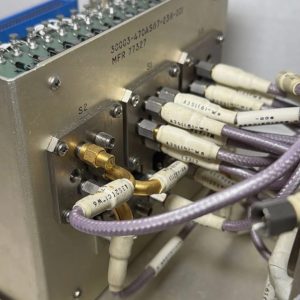
The Aviation Switching Module – NSN 4920-01-250-2696 (AS-IS / Untested) may be suitable for bench evaluation, training displays, component research, restoration work, parts harvesting, or inventory replacement after exact application verification.
The Aircraft Switching Module offers potential maintenance or restoration value, while the Aerospace Switching Module must be inspected for condition, completeness, modification, and storage-related deterioration.
An Aircraft Electrical Switching Module can have commercial value for technicians, while an Aviation Electrical Control Module or Aerospace Electrical Control Unit requires qualified bench evaluation before operational consideration.
An Aircraft Switching Unit can support specialized signal or circuit management, but an Aerospace Power Distribution Module or Aviation Power Control Module may use different internal architecture and electrical requirements.
Overview of the Aviation Switching Module
A matching NSN can improve identification, but it does not establish present condition, functional status, completeness, or suitability for a particular aircraft or test system.
Complete identification increases the value of the Aviation Switching Module for restoration, research, inventory management, or component evaluation.
AS-IS Aerospace Equipment Considerations
The buyer should plan for professional inspection, troubleshooting, repair, parts replacement, or display-only use.
An untested component should not be connected directly to aircraft wiring, expensive test equipment, batteries, laboratory supplies, or unknown power sources.
Aircraft Circuit Selection Equipment
The actual role depends on internal circuitry, switch configuration, connector pinout, associated system design, and technical documentation.
Each visible feature should be photographed and described without assuming its electrical purpose.
Inspecting Aerospace Electrical Hardware
Age, handling, impact, humidity, temperature changes, contamination, and long-term storage can affect both mechanical and electrical condition.
Protective caps should remain installed during storage and shipping when available.
Aircraft Electrical Switching Module Inspection
External condition cannot confirm the state of hidden relays, contacts, circuit boards, wiring, or internal components.
Seals, labels, inspection marks, tamper indicators, and original component arrangements may have historical or technical value.
Aviation Electrical Control Module Functions
Professional research should occur before any attempt to connect the Aviation Electrical Control Module.
Careful preservation supports future study and accurate Aviation Electrical Control Module documentation.
Power Switching Module Inspection
An Aircraft Power Switching Module may connect, disconnect, select, or manage compatible electrical power circuits when designed for that function.
Missing covers or barriers may expose conductive points and increase handling risk.
Choosing an Aerospace Electrical Control Unit
The repair process should preserve original markings and configuration whenever practical.
Replacement components should match the required electrical, mechanical, thermal, and environmental characteristics of the original design.
Choosing an Aircraft Signal Switching Module
An incorrect connection may damage sensitive electronics even when the module itself receives little power.
Original cable assemblies may add significant value when included.
Professional Aviation Module Evaluation
Buyers should determine whether they need a direct replacement, restoration item, training aid, or parts source.
Every marking should be recorded before purchase or installation planning.
Restoring Aviation Switching Hardware
Its value depends on identity, completeness, cosmetic condition, connector integrity, internal status, rarity, and availability of documentation.
Training use should avoid destructive modifications when the component has collectible or restoration value.
Power Distribution Module Inspection
Internal conductive components can corrode or loosen during storage.
Preserving the original structure protects the Aerospace Power Distribution Module and its resale value.
Choosing an Aircraft Electrical Control Unit
The inspection should distinguish cosmetic wear from damage that may affect electrical operation or mounting.
Limited testing should not be described as complete serviceability verification.
Choosing an Aviation Power Control Module
Broad here market keywords can support discovery while the technical description remains precise.
Safe handling is important even when the Aviation Power Control Module is sold strictly AS-IS.
Aircraft Electronic Switching System Integration
System diagrams can help identify required inputs, outputs, grounds, control logic, and companion components.
A replacement AS-IS unit may provide useful comparative parts but should not be installed without evaluation.
Shipping Aviation Electrical Modules
Connector caps should remain fitted, and the module should be supported without placing pressure on switches, knobs, cables, or mounting brackets.
Insured and trackable transportation supports responsible sales of specialized aviation hardware.
Choosing an Aircraft Electrical Module
An Aircraft Electrical Module should be purchased according to exact identity, intended use, condition, completeness, technical support, testing requirements, and available documentation.
Transparent disclosure strengthens trust in an Aircraft Electrical Module transaction.
NSN 4920-01-250-2696 Buying Checklist
The buyer should request enough information for an aviation electronics technician, aerospace-equipment specialist, or experienced surplus buyer to evaluate the unit.
- Verify the module identity through its NSN, data plate, physical configuration, connector arrangement, and available technical references.
- Inspect switches, knobs, indicators, connectors, pins, wiring, and terminals for damage, looseness, contamination, overheating, or unauthorized repair.
- Retain purchase records, photographs, labels, research, testing notes, and repair documentation with the module.
Aerospace Module Troubleshooting Process
A qualified technician may use controlled and current-limited equipment appropriate to the module design.
Initial evaluation may include mechanical switch checks, continuity testing, insulation inspection, resistance measurements, and examination for shorts or damaged components.
Restoring the Aerospace Switching Module
Original labels, wiring routes, fasteners, finishes, and component locations should be preserved whenever practical.
Photographs can document internal condition before and after work.
Buying NSN 4920-01-250-2696
For the right purchaser, the unit can offer a useful foundation for technical research, controlled troubleshooting, component recovery, or legacy-equipment restoration.
The component should be judged according to complete project suitability rather than clean appearance, military-surplus interest, part-number rarity, or price alone.
Whether customers search for an Aircraft Electronic Switching System, Aerospace Switching Unit, or Aircraft Electrical Module, broad terminology should not replace technical application research.
With prompt attention to switches, connectors, wiring, enclosure condition, corrosion, labels, and internal components, the module can preserve its technical and commercial potential.
Report this page